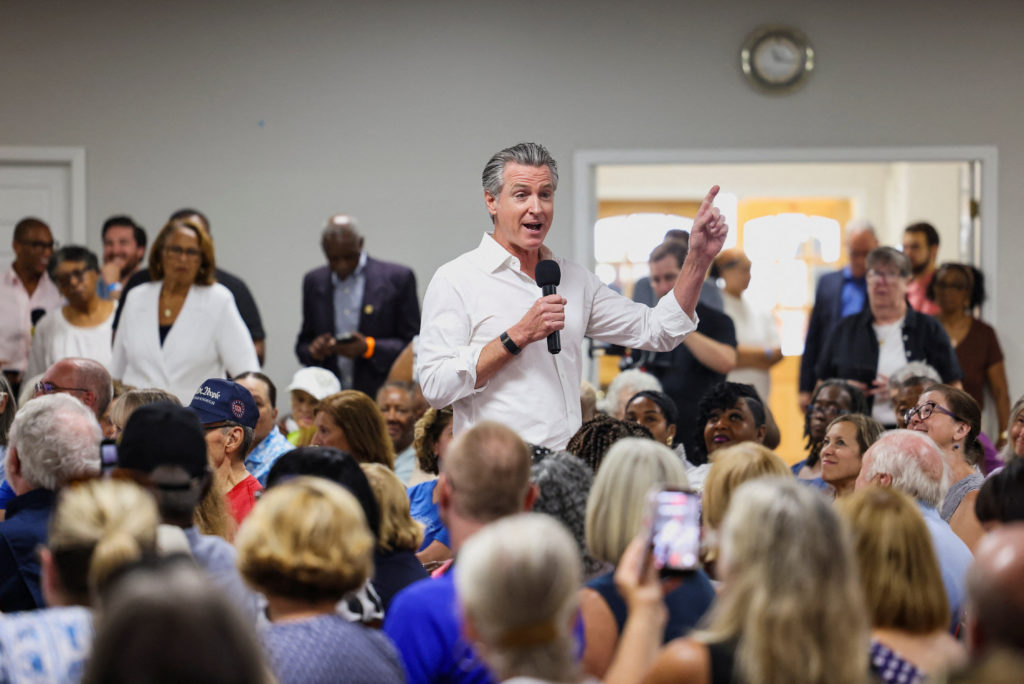
Gavin Newsom’s presence in South Carolina this past week felt less like a series of campaign stops for the midterms and more like a dress rehearsal for the 2028 presidential race. From the Gavin 2028 buttons being sold outside his venues to the hushed conversations among aides calling a White House bid the next thing, the Governor of California is making no secret of his national ambitions. During a whirlwind tour through the Deep South aimed at fighting back against Donald Trump’s influence on civil rights, Newsom leaned into his image as a fearless foil to the former president, urging crowds to fight fire with fire against what he called an invasive species.
However, beneath the energy of these rallies lies a persistent hurdle that Newsom has yet to fully clear. To many voters outside the West Coast, California serves as a polarizing symbol of modern liberalism—a place often viewed with skepticism or outright disdain by those in Middle America and the South. This sentiment was evident in Summerville, where some Democratic voters admitted that supporting someone from the Golden State feels risky because everyone thinks California is different. For critics and opponents alike, there is a lingering fear that Newsom represents an extreme coastal brand of politics that simply does not translate to the swing states necessary to win a general election.
This geographic baggage places Newsom at a strategic disadvantage compared to potential rivals hailing from key battlegrounds like Pennsylvania or Michigan. While figures like Josh Shapiro or Pete Buttigieg can claim an inherent understanding of moderate and independent voters, Newsom must contend with what his own team calls California derangement syndrome. History suggests this is a steep climb; since Ronald Reagan, several high profile Californians have attempted to capture the White House only to fall short, leaving behind a trail of unsuccessful bids from governors and vice presidents alike.
Despite these headwinds and protests from Republicans warning residents not to let Newsom Californicate their state, the governor remains undeterred. He acknowledged that momentum is already building toward 2028 and suggested he might announce his intentions sooner rather than later. By positioning himself as the primary defender against Trump’s ruthlessness, Newsom is betting that his willingness to take on the GOP’s leader will outweigh any regional prejudices held against his home state. Whether he can transform himself from a Californian icon into a national consensus candidate remains the central question of his political future.