Whether he is operating under a philosophy of bread and circuses to distract the public or simply playing the role of Nero while his party’s electoral prospects smolder, President Donald Trump appears increasingly detached from the immediate concerns of the American electorate. With the 2026 midterms rapidly approaching and early ballots already being mailed in North Carolina, current polling indicates a sharp divide between what voters want and where the president spends his energy. While citizens are pleading for relief regarding affordability and the economy, the White House spent a frantic twenty four hour window focusing on everything except governance.
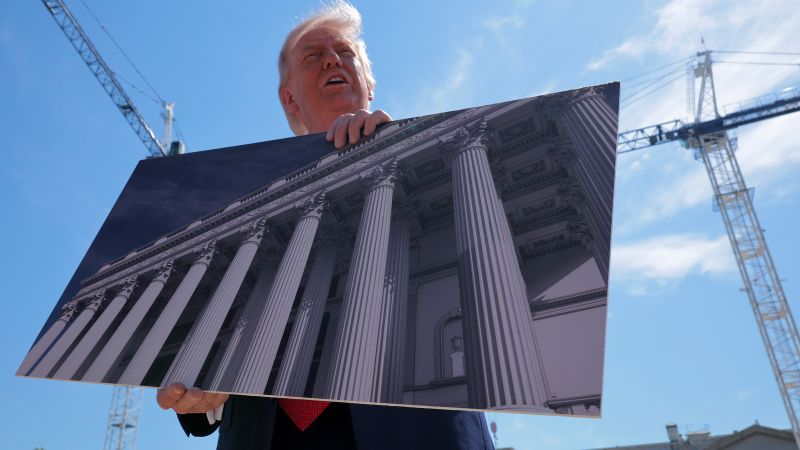
The sheer variety of these diversions is staggering. In a single day, the administration managed to hire a new contractor for the Lincoln Memorial Reflecting Pool, announce construction on a massive triumphal arch, and launch arcade style video games featuring the arrest of undocumented immigrants. This flurry of activity coincides with reports that Trump is obsessed with various beautification projects across Washington D C, including a controversial ballroom built with nuclear grade concrete designed to withstand an attack. During a recent interview and construction tour, Trump candidly admitted that he feels compelled to build these monuments to himself now because no one else will do so once he leaves office.
This fixation comes at a precarious moment for Congressional Republicans who are watching their midterm hopes slip away as Trump prioritizes vanity over policy. Public sentiment reflects deep frustration, with large majorities opposing both the architectural projects and eccentric diplomatic spats, such as his attempt to rename Lake Ontario as Lake America following a trade dispute with Canada. Polls suggest that nearly eighty percent of Americans believe the president is not focused enough on lowering prices or addressing the nation’s most pressing crises, viewing his priorities as frivolous at best and self serving at worst.
While Trump has attempted some rapid fire solutions to economic woes, such as pausing beef tariffs or threatening the Federal Reserve to lower interest rates, critics argue these are merely superficial gestures rather than sustainable strategies. These maneuvers often alienate key constituencies like domestic ranchers without providing meaningful relief to consumers. Ultimately, as the campaign season kicks into high gear, the image emerging is one of a leader more concerned with leaving a physical mark on the landscape than securing a political victory for his party or financial stability for his constituents.