
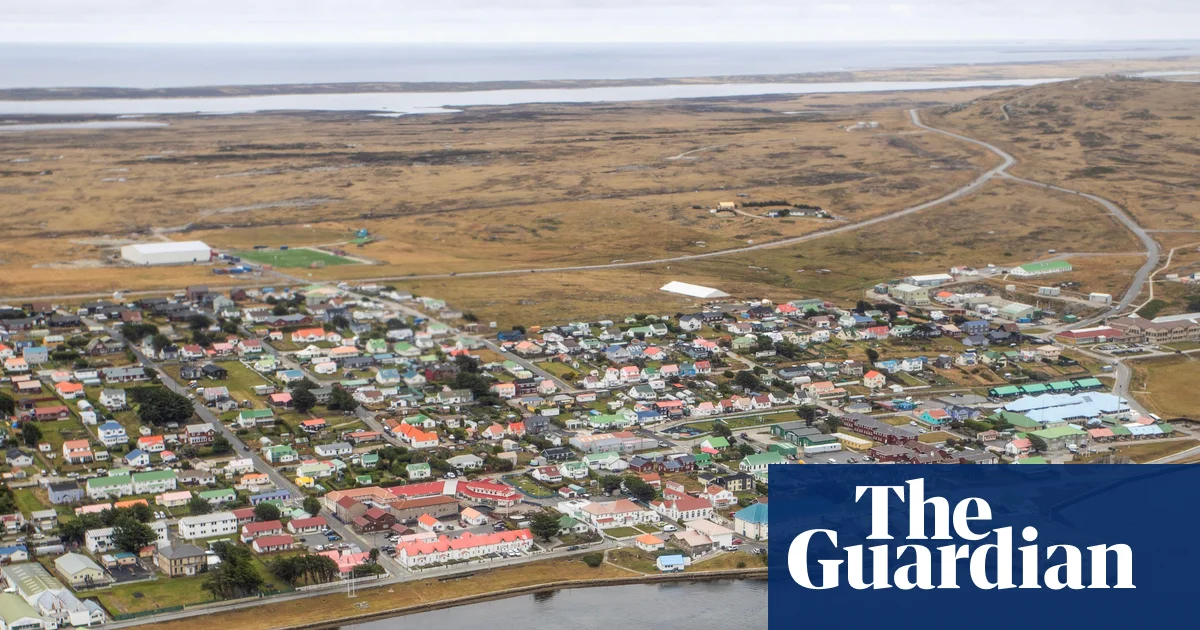
Recent provocative rhetoric from Argentinian President Javier Milei regarding the Falkland Islands has sparked a fresh debate over the United Kingdom’s military readiness, prompting Tan Dhesi, the Labour chair of the defence committee, to demand an immediate increase in spending. Mr. Dhesi argues that the current geopolitical climate makes it imperative for Prime Minister Andy Burnham to commit to spending 3 percent of GDP on defence by 2030. This push comes as President Milei suggests winds of change are blowing in favor of Argentina’s claims to the islands, bolstered by perceived shifts in international alliances.
The urgency is compounded by unsettling remarks from Donald Trump, who hinted that American support for British sovereignty over the territory could be reconsidered. Mr. Trump linked this potential shift to grievances over the UK’s lack of support during his conflict in Iran, suggesting that strategic interests in the Strait of Hormuz might outweigh traditional diplomatic stances. These combined pressures have left many concerned that Britain may be underprepared for emerging threats if its financial commitments to national security remain ambiguous.
Within Westminster, however, the path toward increased funding remains muddled by contradictory signals from leadership. During a recent session of Prime Minister’s Questions, Mr. Dhesi pressed Mr. Burnham on whether he backed the 2030 target, receiving what appeared to be a confirmation. Yet, shortly after leaving the chamber, Downing Street walked back those assertions, clarifying that no firm commitment had been made to hit 3 percent by 2030, opting instead for a more distant NATO goal of 3.5 percent by 2035.
Mr. Dhesi has criticized this hesitation as confusing and dangerous, insisting that vibes alone will not protect British territories abroad. He pointed out that while allies like Germany are acting decisively against foreign interference, the UK seems trapped in a cycle of internal indecision between the Prime Minister and Chancellor John Healey. For now, British ministers maintain that the Falklands will remain British so long as the residents desire it, but critics argue that such promises require substantial financial backing to stay credible.