Germany woke up to a transformed political landscape on Monday following a historic victory for the Alternative for Germany in Saxony Anhalt. The results have sent shockwaves across the continent, prompting urgent warnings from neighboring France. French Finance Minister Roland Lescure described the outcome as a very worrying signal and part of a global populist wave that must be resisted, while Minister of European Affairs Benjamin Haddad labeled it a grave moment for Europe. This anxiety comes at a time when France is grappling with its own internal struggles against the far right, adding a layer of regional instability to an already tense geopolitical climate.
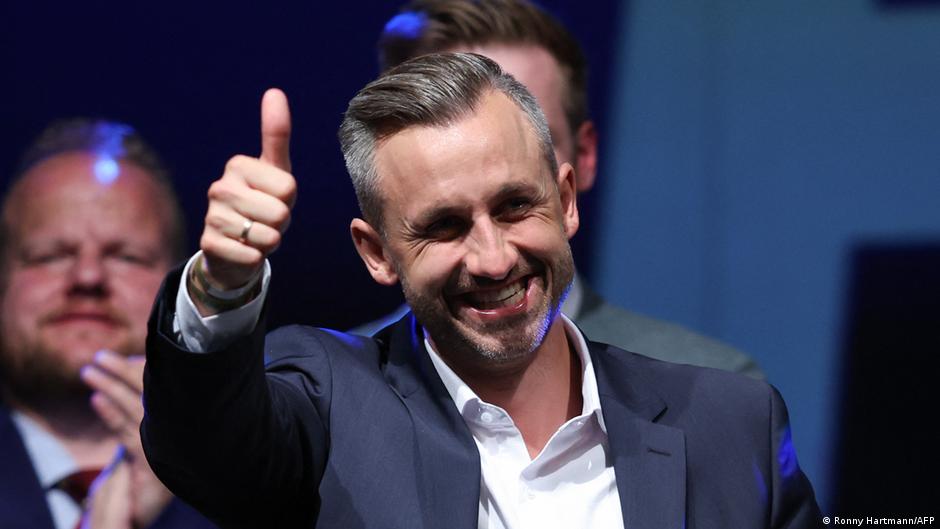
At a triumphant press conference, AfD leaders Alice Weidel and Tino Chrupalla hailed the results as a mandate to dismantle the political firewall that has long kept them isolated from mainstream governance. They launched scathing attacks on Chancellor Friedrich Merz and the traditional powerhouse parties, arguing that the CDU and SPD have fundamentally failed the German people on issues ranging from energy policy to de industrialization. In a bold move toward national ambition, state candidate Ulrich Siegmund suggested that this local victory serves as a blueprint for the entire nation, openly calling for Alice Weidel to eventually lead Germany as Chancellor.
The party attempted to soften its image during these appearances, with both Siegmund and Weidel insisting that migrants who contribute to society have nothing to fear from their leadership. However, these conciliatory tones were quickly undercut by demands for tightened borders and vows to deport as many immigrants as possible once in power. While Weidel cited concerns over immigrant crime to justify her stance, critics pointed out that official statistics do not support her narrative, highlighting a stark contradiction between the party’s public outreach and its hardline policy goals.
As the AfD looks ahead to upcoming elections in Mecklenburg Western Pomerania, they continue to frame themselves as victims of fake news and unfair media coverage. By positioning themselves as the only true voice of the electorate, they are putting immense pressure on established parties like the CDU to either collaborate or risk obsolescence. For now, Germany remains in a state of unsettled anticipation, wondering if this regional shift marks the beginning of a permanent realignment in European politics.